Know more about kids
At our daycare, we firmly believe that every child deserves a safe, nurturing, and enjoyable environmen.

Autism, also known as Autism Spectrum Disorder (ASD), is a neurodevelopmental condition that affects how a person’s brain develops and processes information. It influences communication, behavior, and social interaction in different ways.
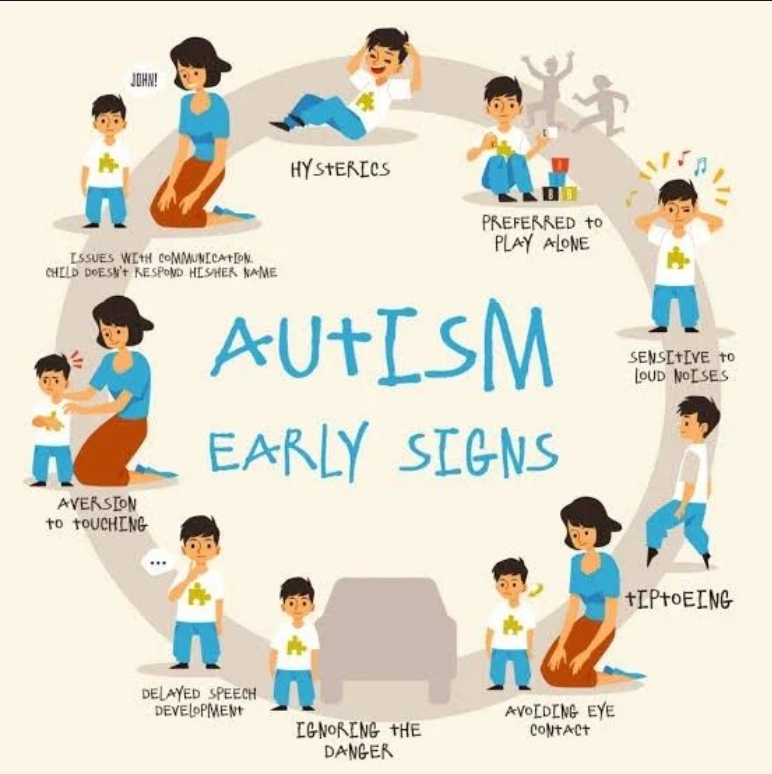
Parents may notice early signs such as limited eye contact, delayed speech, or not using words as expected for their age. Some children may not respond when their name is called. Repetitive movements like hand flapping, rocking, or lining up toys can also be seen.

Autism is linked to differences in brain development and genetic factors. Research shows that genetics play a major role, meaning autism can run in families, although it is not always inherited in a direct way, It is important to understand that autism is not caused by parenting style.
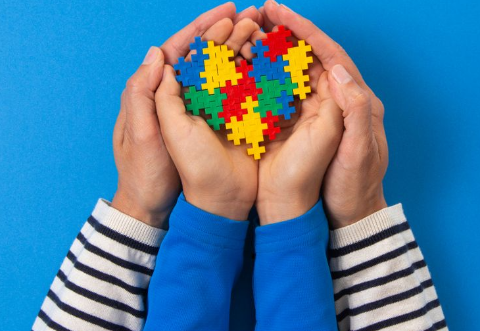
Parents play a very important role in helping a child with autism grow and develop. It is important to stay patient and calm, as every child learns at their own pace. Parents should also focus on encouraging their child’s strengths and interests, as this can boost confidence and learning.